Masonry & Roofing Contractors in Berlin: what to know
Old masonry and a high water table
Around Berlin the two jobs that come up again and again are basement water and chimney work, and both trace back to the same valley geology and the same building era. Heavy soils hold water against foundations instead of letting it drain away, so hydrostatic pressure builds after storms and thaws and works on every shrinkage crack and every mortar joint in a stone wall.
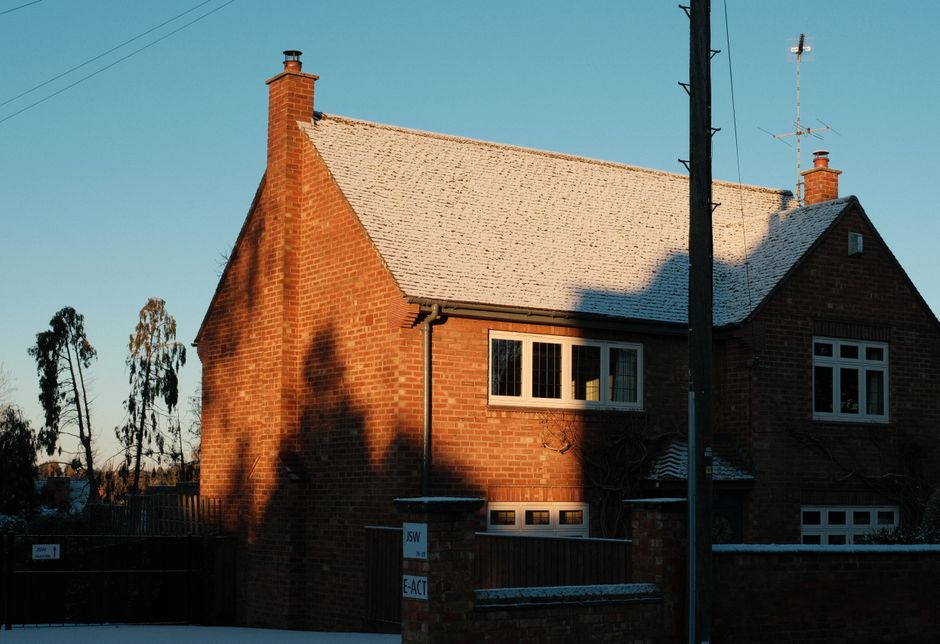
Above ground, Hartford County has an old and largely masonry-chimneyed housing stock. Brick chimneys from the 1800s and early 1900s were built with lime mortar and often without the concrete crown detail we now consider standard. After a century of freeze-thaw, the top courses are loose, the crown is cracked or missing, and water is running down inside the chase. That is a repointing and crown job if it is caught in time and a rebuild above the roofline if it is not.
Reading the condition of your masonry
You can learn a lot about a Berlin building from the ground. Run a key along a mortar joint: if it scratches out as sand, the joint is spent and the wall is taking on water. Look for joints recessed more than a few millimetres behind the face of the brick: that is a joint no longer shedding water. Look for the white bloom of efflorescence, which means water is moving through the masonry and carrying salts out with it. Look for brick faces that have popped off, exposing the softer core; that is usually the signature of frost, of a hard repointing mix, or both.
On a chimney, look at the crown from a window or with binoculars. Cracks radiating from the flue, a crown flush with the brick instead of overhanging it, and a missing flue cap are the three things that account for most chimney leaks in Connecticut.
Getting the roof detail right
Anyone quoting a re-roof on a Berlin property should be talking about more than shingles. Ask about the ice and water membrane at the eaves and in the valleys, the backstop for when an ice dam forms anyway. Ask about ventilation: balanced intake at the soffit and exhaust at the ridge keeps the deck cold and the shingles from cooking from below. Ask what happens to the chimney flashing and the vent boots, which is where the next leak will otherwise come from. And ask what happens if the deck turns out to be soft once the old covering is off, and at what price per sheet.
A quote that lists only a shingle brand and a total price is not a specification, and it makes comparing two contractors around Berlin impossible.
Before you sign
Get at least two written scopes for any significant masonry or roofing job in Berlin, and compare what is actually in them, not just the totals. A real scope names the mortar mix or the shingle system, the flashing material, what happens to unforeseen deck or substrate damage, the drainage detail behind a wall, and the clean-up and disposal. Two quotes that differ by thousands usually differ in what is excluded.
Check that the contractor holds a current Connecticut Home Improvement Contractor registration with the Department of Consumer Protection, ask for proof of liability and workers\' compensation insurance directly from the insurer, confirm who is pulling the permit with the local building department, and make sure the payment schedule is tied to progress rather than front-loaded.