Local guide
Why Connecticut buildings fail the way they do
Connecticut packs an unusual amount of trouble into a small state. The shoreline along the Long Island Sound gets
salt-laden air that keeps mortar joints damp and corrodes flashing and fasteners years early, plus storms that drive
rain sideways into details built for vertical rain. The Connecticut River valley has heavy, poorly draining soils and
a high seasonal water table that push water against foundation walls after every thaw. The western and eastern uplands
get the longest, coldest winter in the state, deeper snow that sits on roofs, deeper frost that heaves shallow
footings, and more freeze-thaw cycles than anywhere on the coast.
Sitting on top of all three is one of the oldest housing stocks in the country. Colonial centres, 19th-century mill
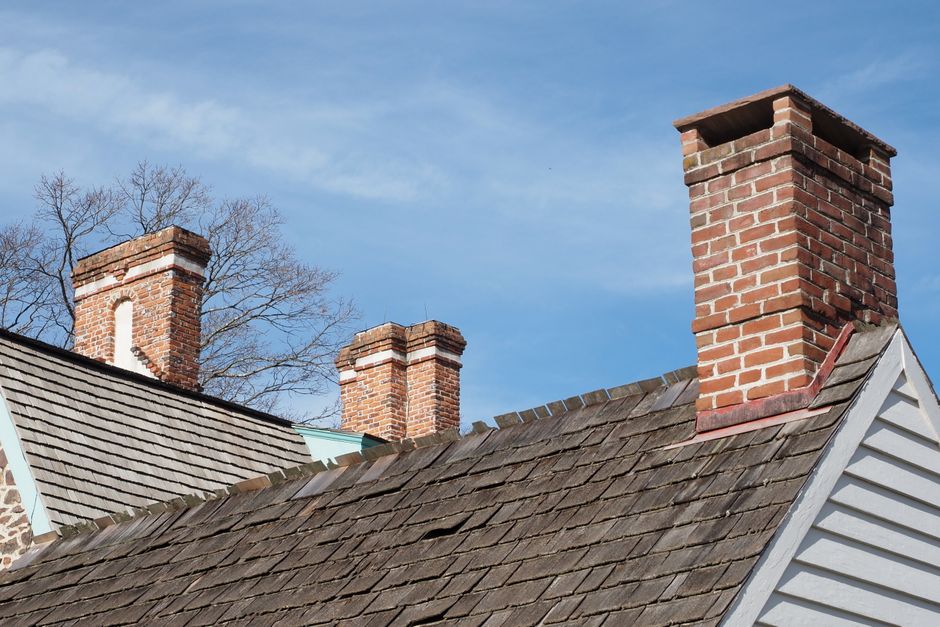
housing, brownstone, three-deckers and tens of thousands of brick chimneys built with soft lime mortar. That mortar was
designed to be sacrificial, softer than the brick, so movement and frost damage the joint rather than the unit. It
works, until someone repoints it with hard modern Portland-cement mortar, at which point the brick faces start popping
off instead. Matching mortar to the original is the single most consequential decision on an old Connecticut wall, and
it is worth asking any contractor what mix they intend to use.
The freeze-thaw problem
Connecticut sits in a temperature band that crosses freezing repeatedly through the winter rather than staying reliably
cold. That is harder on masonry than a colder, more stable climate. Water soaks into a mortar joint, a chimney crown, a
concrete step or a spalled brick face, freezes, expands by about nine percent, and levers the void a fraction wider.
Repeat that forty or fifty times a season and a hairline crack in a chimney crown becomes a channel feeding water
straight into the chase, which is how a stain appears on a bedroom ceiling with no roof damage anywhere near it.
Where the two trades meet
Most of what gets called a roof leak in this state enters at a junction: a chimney, a wall, a dormer cheek, a skylight
curb, a valley. That junction is exactly where masonry and roofing meet, and it is where responsibility gets passed
back and forth, the roofer blames the chimney, the mason blames the flashing, and both are often right. That overlap
is the reason this directory covers both trades rather than one.
8Connecticut counties covered
315CT cities, towns & villages listed
24/7Emergency call line
FreeQuotes, no obligation