Chimney leak, roof leak or ice dam? 24/7 emergency line - (800) 555-0207
πŸ’§ Connecticut Β· statewide

Foundation & Basement Waterproofing in Connecticut

Crack injection, stone foundation repointing, interior perimeter drains, sumps, and exterior excavation when it is genuinely warranted.

⚑ Fast local dispatch βœ… Local pros onlyπŸ’¬ Free quotes

Get quotes for Foundation & Basement Waterproofing

Prefer to talk now? Call (800) 555-0207

Water coming through a chimney, roof or foundation wall? Get a local pro on it today. πŸ“ž Call (800) 555-0207

Foundation & Basement Waterproofing: what to know
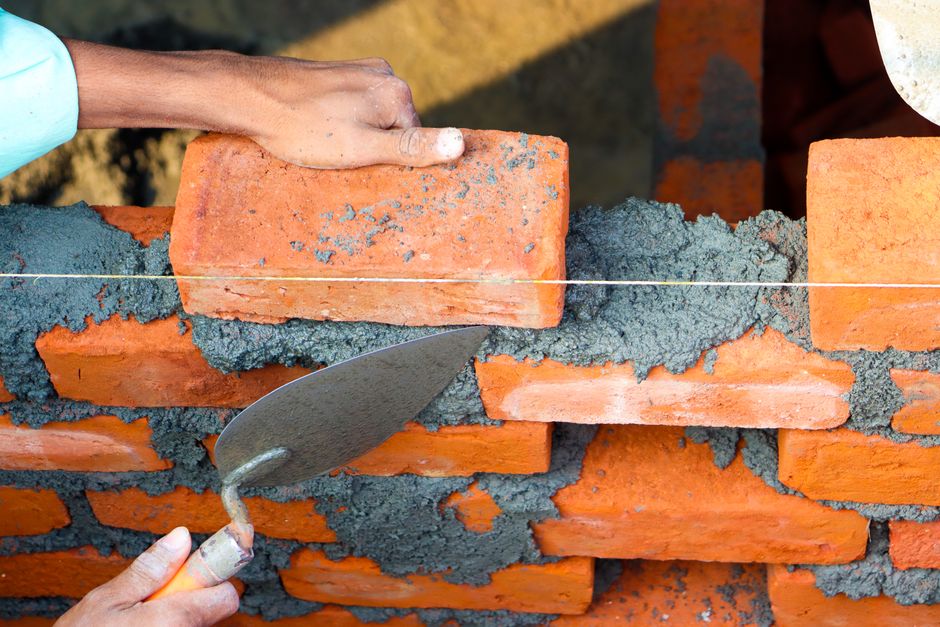
Hands laying bricks with cement in a construction setting, showcasing precise masonry work.
Stock photograph. Brick laid into a bed of fresh mortar. Not work by any contractor listed on this site.

Connecticut basements get wet for local reasons: heavy, poorly draining soils through the Connecticut River valley, a high seasonal water table, snowmelt on frozen ground that cannot absorb it, and frost pressure in saturated backfill pushing against the wall every winter.

Fix it in the right order

  1. Water delivery. Blocked gutters, a downspout discharging two feet from the wall, and grade sloping toward the house cause a startling share of "foundation leaks". This is the cheapest step and it is skipped constantly.
  2. Interior measures. Polyurethane or epoxy injection for a poured-wall crack; an interior perimeter drain to a sump for chronic seepage.
  3. Exterior work. Excavating the wall, repairing and membrane-waterproofing it, and installing a proper footing drain in stone with filter fabric. Thorough, effective, and by far the most expensive.

Stone foundations are different

Plenty of Connecticut homes sit on rubble stone or fieldstone laid in lime mortar, often with no real footing. Those walls were never designed to be waterproof: they were designed to breathe and drain. Coating the inside face with an impermeable sealer traps moisture in the wall and pushes the mortar apart. The right approach is normally repointing with a compatible lime-based mortar plus managing the water outside and under the slab.

When to call an engineer instead

A horizontal crack in a block wall, stair-stepping through mortar joints, a wall that has bowed inward, offset between two sides of a crack, or doors binding upstairs are structural signals. Those need a licensed professional engineer to specify the repair, with a mason executing that specification, not a waterproofing salesperson recommending a product.

Common questions

Interior or exterior waterproofing, which do I need?
Interior drainage handles chronic seepage well and costs far less. Exterior excavation and membrane work is more thorough. In Connecticut the sensible sequence is to fix gutters, downspouts and grading first, then interior drainage, then exterior work only if it is still warranted.
Is every foundation crack serious?
No. A hairline vertical crack in a poured wall is usually a shrinkage crack from the original cure: it leaks but it is routine. Horizontal cracks, stair-stepping and bowing are a different matter and warrant an engineer.
Does homeowners insurance cover a wet basement?
Standard policies commonly exclude gradual seepage and groundwater, and flood is a separate policy entirely. A sudden event such as a burst pipe may be treated differently. Confirm the specifics with your own insurer.

Foundation & Basement Waterproofing near you

Other services

Get Matched With masonry and roofing contractors in Connecticut

Tell us what you need and we'll connect you with available local pros. Free, no obligation.

Prefer to talk now? Call (800) 555-0207

πŸ“ž Call now: (800) 555-0207