Chimney leak, roof leak or ice dam? 24/7 emergency line - (800) 555-0207
πŸͺ¨ Connecticut Β· statewide

Tuckpointing & Repointing in Connecticut

Cutting out eroded joints and repacking them with mortar matched to the original, the single most effective thing you can do for an old wall.

⚑ Fast local dispatch βœ… Local pros onlyπŸ’¬ Free quotes

Get quotes for Tuckpointing & Repointing

Prefer to talk now? Call (800) 555-0207

Water coming through a chimney, roof or foundation wall? Get a local pro on it today. πŸ“ž Call (800) 555-0207

Tuckpointing & Repointing: what to know
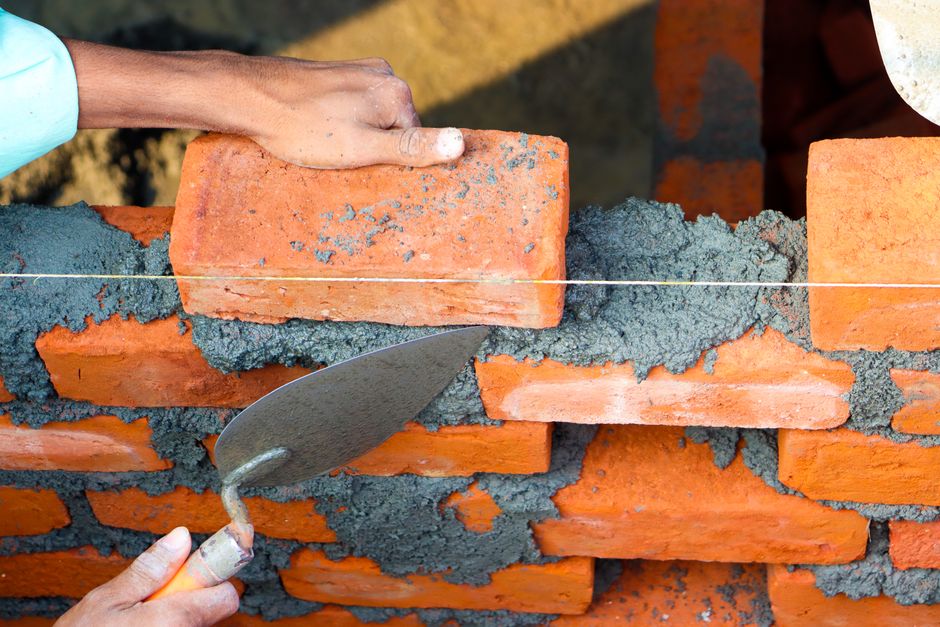
Hands laying bricks with cement in a construction setting, showcasing precise masonry work.
Stock photograph. Brick laid into a bed of fresh mortar. Not work by any contractor listed on this site.

Mortar is designed to be the sacrificial element in a masonry wall: softer than the brick or stone it beds, so that movement, salt and frost damage the joint rather than the unit. A joint is replaceable; a spalled brick face is not. Repointing at the right moment is the difference between a wall that lasts another fifty years and one that needs rebuilding.

What a proper job looks like

The deteriorated mortar is cut or raked back to sound material, typically around 20 to 25 millimetres deep, or roughly two and a half times the joint width. The joint is cleaned and dampened. New mortar is packed in tight in layers, then tooled to match the original profile once it has reached thumbprint hardness. Anyone proposing to smear new mortar over the face of old joints without cutting them out is not repointing; they are painting over the problem.

The mortar mix matters more than anything else

This is where most damage to Connecticut masonry gets done. Pre-1930s brick and brownstone were laid in soft lime mortar. If you repoint that wall with hard modern Portland-cement mortar, the joint becomes stronger than the units around it. Thermal movement and freezing water then have nowhere to go except through the brick, and the faces start popping off. The damage takes a few years to appear, by which time the contractor is long gone. Ask directly what mix is proposed for the age of your building and expect a substantive answer.

When to do it

Run a key along a joint. If it scratches out as sand, the joint is spent. If joints are recessed more than a few millimetres behind the brick face, the wall is collecting water rather than shedding it. Either is the signal to get a quote, waiting turns a repointing job into a rebuild.

Common questions

What is the difference between tuckpointing and repointing?
Strictly, repointing is replacing deteriorated mortar; tuckpointing is a decorative technique using two mortar colours to imitate fine joints. In everyday use in the US the terms are used interchangeably for the same repair work.
How long does repointing last?
A properly cut, correctly mixed and well-tooled joint on a Connecticut building should last decades. A bad job, shallow cutting, wrong mix, smeared over the face, can start failing within a few winters and may damage the brick permanently.
Can I repoint just one section of wall?
Yes, spot repointing is normal and sensible. The new mortar should still match the original in strength, colour and joint profile so the repair does not stand out or create a hard patch in a softer wall.

Tuckpointing & Repointing near you

Other services

Get Matched With masonry and roofing contractors in Connecticut

Tell us what you need and we'll connect you with available local pros. Free, no obligation.

Prefer to talk now? Call (800) 555-0207

πŸ“ž Call now: (800) 555-0207