Masonry & Roofing Contractors in Bethlehem: what to know
A harder winter than the shoreline gets
Inland and uphill from the Sound, Bethlehem sits in the colder half of Connecticut. More snow sits on roofs for longer, so any heat escaping into the attic produces meltwater that refreezes at the cold eave and builds an ice dam. More freeze-thaw cycles work on every mortar joint, chimney crown and concrete step. Deeper frost penetration heaves anything founded too shallow, which is why so many failed garden walls and stoops in Litchfield County turn out to have been built on six inches of gravel.
This is also stone country. Fieldstone foundations, dry-laid walls and stone steps are a normal part of properties around Bethlehem, and they need masons who understand how a dry-laid wall actually carries load and drains, not just how to stack a face that looks right for two seasons.
Freeze-thaw is the local enemy
Connecticut sits in a temperature band that crosses freezing repeatedly through the winter rather than staying cold. That is worse for masonry than a colder, more stable climate. Each crossing takes water that has soaked into a mortar joint, a crown, a step or a spalled brick face and expands it by roughly nine percent, opening the void a fraction. Repeated forty or fifty times a season, that is what turns a hairline crack in a chimney crown into a channel, and a sound joint into an eroded one.
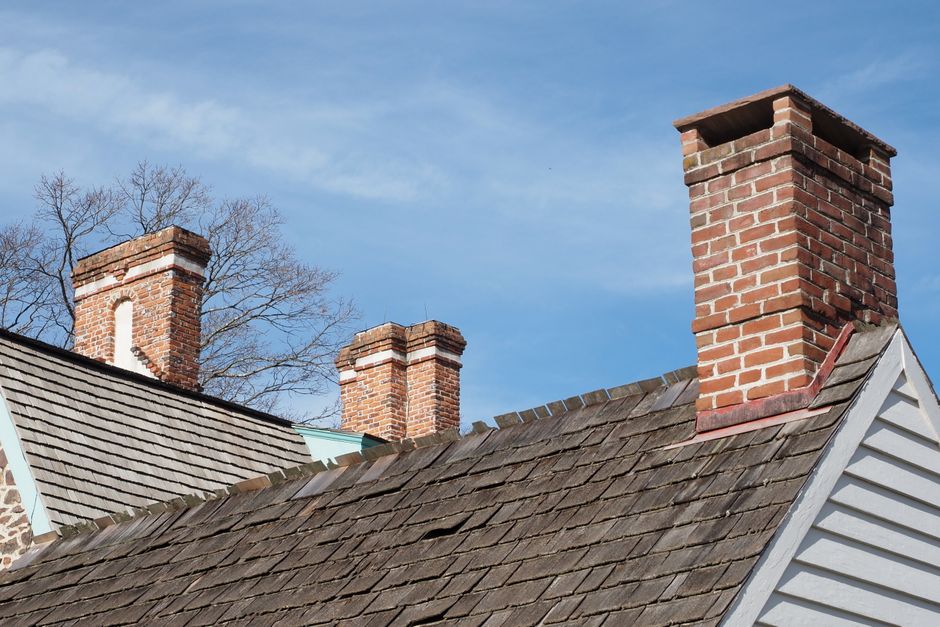
Around Bethlehem this shows up first on the most exposed surfaces: chimney crowns and top courses, the south and west faces of a stack, the top of a retaining wall, concrete steps and porch landings. Those are the areas worth photographing every autumn so you can see the rate of change rather than discovering it as a leak.
Repair or replace
The honest answer on a Bethlehem roof depends on what the deck and the details look like, not on the age alone. A single cracked vent boot collar, a length of failed valley metal or displaced step flashing on an otherwise sound roof is a repair, and a contractor pushing a full replacement for it is worth a second opinion. On the other side, widespread granule loss with bare mat showing, shingles that crack when they are lifted, multiple existing layers, or a deck that flexes underfoot all point toward replacement.
Ask for photographs of the actual conditions rather than a verbal summary. A contractor who will not show you what they saw up there is telling you something.
Checking out a Connecticut contractor
Contractors performing home improvement work on existing Connecticut homes are generally required to hold a Home Improvement Contractor registration with the state Department of Consumer Protection, and you can look up a registration yourself before signing anything. Connecticut also requires certain home improvement contracts to be in writing with specified terms, and maintains a Home Improvement Guaranty Fund that may help homeowners in defined circumstances, check DCP for the current requirements and eligibility rules rather than relying on what a salesperson tells you.
Beyond registration, ask any Bethlehem contractor for a certificate of insurance sent directly from their insurer, a written scope that names materials and methods rather than just a total, and references for masonry work of the same type and age. Do not pay in full up front.