Masonry & Roofing Contractors in East Hartford: what to know
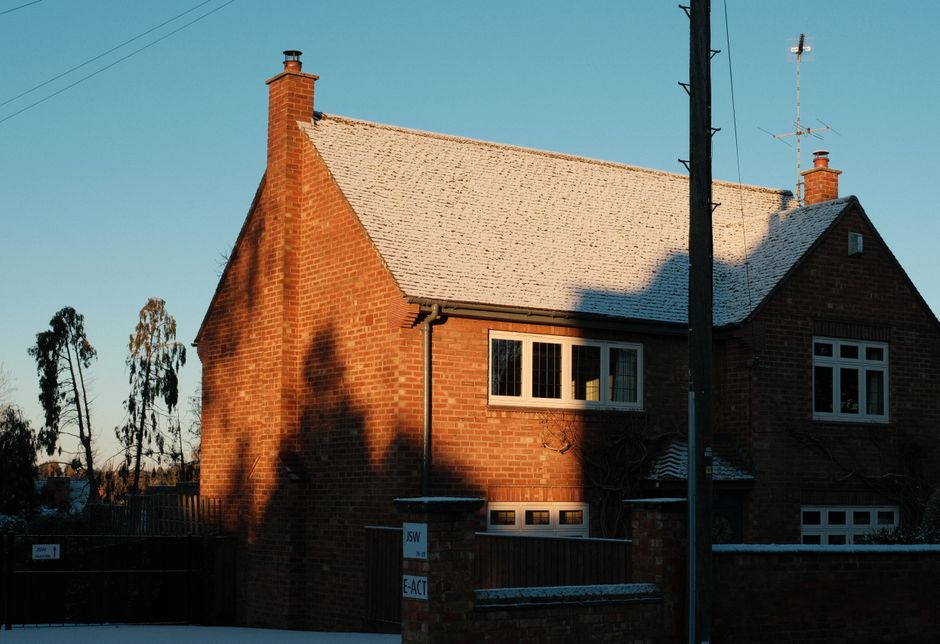
Old masonry and a high water table
Around East Hartford the two jobs that come up again and again are basement water and chimney work, and both trace back to the same valley geology and the same building era. Heavy soils hold water against foundations instead of letting it drain away, so hydrostatic pressure builds after storms and thaws and works on every shrinkage crack and every mortar joint in a stone wall.
Above ground, Hartford County has an old and largely masonry-chimneyed housing stock. Brick chimneys from the 1800s and early 1900s were built with lime mortar and often without the concrete crown detail we now consider standard. After a century of freeze-thaw, the top courses are loose, the crown is cracked or missing, and water is running down inside the chase. That is a repointing and crown job if it is caught in time and a rebuild above the roofline if it is not.
Why mortar fails first
Mortar is meant to be the weak link. It is softer than the brick or stone it beds, so movement, salt and frost damage the joint rather than the unit, and a joint is easy to replace where a spalled brick face is not. That is the theory. In practice, once a joint has eroded back a quarter inch or more, it stops shedding water and starts collecting it, and the freeze-thaw cycle takes over: water enters, freezes, expands by about nine percent, and levers the joint wider. Cut back and repointed at the right moment, the wall lasts another few decades. Left another five winters, the same wall needs rebuilding.
The mistake that does the most damage in East Hartford is repointing old soft-mortar masonry with hard Portland-cement mortar. When the joint is harder than the brick, thermal movement and freezing water blow the faces off the brick instead of the mortar. Ask what mix a contractor intends to use on a pre-1930s building and expect a real answer.
Repair or replace
The honest answer on a East Hartford roof depends on what the deck and the details look like, not on the age alone. A single cracked vent boot collar, a length of failed valley metal or displaced step flashing on an otherwise sound roof is a repair, and a contractor pushing a full replacement for it is worth a second opinion. On the other side, widespread granule loss with bare mat showing, shingles that crack when they are lifted, multiple existing layers, or a deck that flexes underfoot all point toward replacement.
Ask for photographs of the actual conditions rather than a verbal summary. A contractor who will not show you what they saw up there is telling you something.
Before you sign
Get at least two written scopes for any significant masonry or roofing job in East Hartford, and compare what is actually in them, not just the totals. A real scope names the mortar mix or the shingle system, the flashing material, what happens to unforeseen deck or substrate damage, the drainage detail behind a wall, and the clean-up and disposal. Two quotes that differ by thousands usually differ in what is excluded.
Check that the contractor holds a current Connecticut Home Improvement Contractor registration with the Department of Consumer Protection, ask for proof of liability and workers\' compensation insurance directly from the insurer, confirm who is pulling the permit with the local building department, and make sure the payment schedule is tied to progress rather than front-loaded.